
The Anatomy of Rescue Ministry

Almost every door led to a dive or a dance hall. Sounds of revelry, clinking glasses, curses and fighting would issue forth until broad daylight. Kit Burn’s rat pit was just below Dover Street, where his illustrious son-in-law, “Jack the Rat”, would bite the head off a rat before an audience of sightseers, and pass the hat for a collection.—Down in Water Street by Samuel Hadley.
Water Street in the 1870s ran along the East River in New York City. When the tide came in, the East River would rise into the street; thus the name, Water Street. It was in this setting of tenement slums, dance halls, wharf rats, dog fights, gambling joints, and plentiful lager beer and whiskey, that rescue ministry was born.
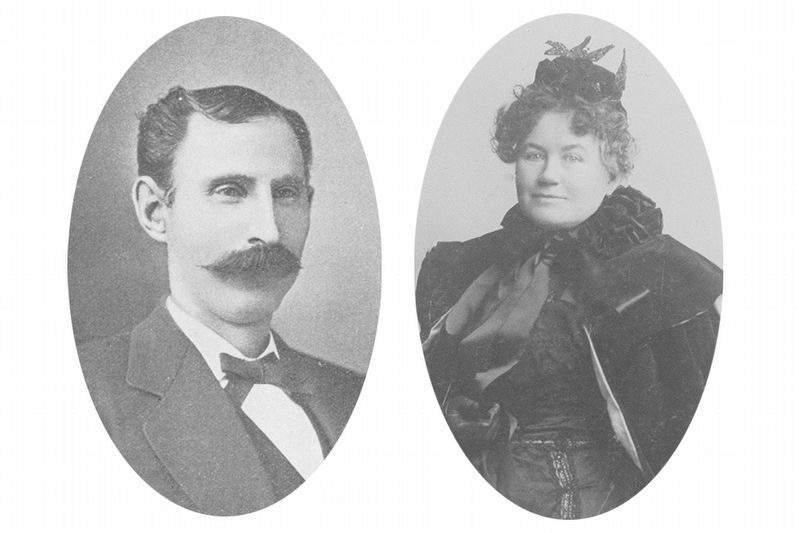
It began with Jerry McAuley, a notorious alcoholic and river thief. Jerry became a Christian in Sing Sing Prison in the early 1860s. After his prison stint, he returned to drinking and stealing. Jerry would sober up for a while and then relapse. Today we call them alcoholics. In Jerry’s day, he was simply known as a drunkard.
But one day with God’s help, Jerry McAuley sobered up for good. God gave Jerry a vision for a place where “men, lost, ragged, hungry, helpless and wretched, coming into a building, and somehow they were fed, clothed, and came out looking clean and comfortable.”
In 1872, Jerry McAuley opened the Water Street Mission, the first rescue mission in the United States. American rescue ministry was birthed amid squalor, addiction, poverty, debauchery, and prison. Samuel Hadley, who would become the superintendent of the Water Street Mission after McAuley’s death in 1884, wrote “the most hardened men, ex-convicts, thieves, sailors, captains, and mates of ships came in and the Spirit of God got hold of them.”
Today the Water Street Mission is known as the New York City Rescue Mission. Approximately 300 rescue missions and similar ministries are members of Citygate Network, an association of Christian ministries in the United States, Canada, and the Caribbean Islands who help the less fortunate. Many other such ministries operate as independent entities.
Today’s rescue ministries operate in an era of smart phones, air conditioning, and the internet. However, some things haven’t changed. Rescue missions often locate on the “other side of the tracks” just like in the old days. Today’s missions deal with addiction, prison, poverty, and lives in chaotic crisis. We witness people living in squalor and engaging in behavioral vices.
Another thing that hasn’t changed is use of tobacco. Check out this quote from Samuel Hadley from the 1870s. “Reader, I want to tell you a secret. Every drunkard uses tobacco. I have heard it reported that some good deacons, and even ministers use it; but I am speaking now of the drunkard. They all use tobacco. Tobacco and rum are sisters-in-law, and if you marry one, the chances are that the other will often visit you.” Today nicotine addiction is prevalent among rescue mission clientele. However, just as Jerry McAuley kicked his tobacco habit, we see a significant number of people in our recovery programs quitting cigarettes. Today tobacco is the number one killer among addictive substances.
The rise of rescue missions in America mirrored the beginning of similar ministries, such as the Salvation Army in England, started by William Booth in 1878. Unlike the Salvation Army in which local chapters are administered by a larger governmental authority, rescue ministries are independent entities. Meanwhile rescue missions may choose to affiliate with an association, but each is governed by its own board of directors.
Rescue ministries today face new issues that were not as prevalent 100-150 years ago. For example, we are now seeing an epidemic of drug-influenced mental illness causing homelessness in areas where homelessness was not traditionally a problem. The missions of yesteryear were primarily located in urban centers where those in need would come to the mission to receive services. Today homeless encampments are springing up in areas outside the traditional mission districts. This means rescue ministries today must consider how to pivot to meet needs of the homeless in new ways.
However, some principles haven’t changed. Jerry McAuley was a notorious alcoholic. His wife, Maria, was also an alcoholic and prostitute. God changed their lives and used them to launch a ministry movement that has brought the love of Christ to countless hurting people. In the same way, modern rescue mission staff members often come from the ranks of the addicted and downtrodden. Still, God often calls people from other walks of life to work in rescue ministries.
Emma Whittemore from New York’s high society visited the Water Street Mission out of a curiosity to “see the novelty of Jerry McAuley, a saved thief, leading a meeting.” Whittemore was so convicted that when the invitation came for those who wanted to give their lives to Christ to raise their hand, both Emma and her husband Sydney, raised their hands and both “knelt amid the crowd of tramps who had come up for prayer.”
God used Emma Whittemore to launch the “Door of Hope” mission for “lost and helpless girls.” In the coming years, dozens of “Doors of Hope” ministries spread across the country. According to Samuel Hadley, “thousands of girls have been reached by this consecrated woman, many restored to mothers, many happily married, and many have gone home to be with Jesus.”
Our verbiage has changed. We don’t use terms like tramps and drunkards in rescue ministry today to describe our guests. However, our motivation is the same. Our leadership team members at Gateway Rescue Mission all felt a calling to our ministry. Without this calling, we would have given up long ago.
We believe God loves this hodge-podge of broken people too often written off by society, but not by God Almighty. We believe that Jesus Christ always has His remnant, those He seeks to rescue from the most wretched conditions of addiction, homelessness, prison, mental illness, or abject poverty. In truth, we are all broken in some way.
I once had a mentor in rescue ministry who said the difference between church people and those who seek refuge at Gateway Rescue Mission is that in church “we can hide our sins better.” We have all sinned and fallen short of the glory of God. At hundreds of rescue mission across our country, hungry people will get a meal today. Homeless people will have a clean and safe bed to lay their head tonight. A desperate addict will enroll in a recovery program today and find hope.
And this movement started with one mean drunkard who met Jesus and married an alcoholic hooker who also came to Jesus. This couple started one mission in the rough part of town and sparked a flame that still burns bright today.
Gateway Rescue Mission was launched in 1948 by Captain Len Martin of the Jackson Fire Department. He saw homeless World War II veterans sleeping on the benches at the train station. Simultaneously, Mrs. Edna Whitehead and her family began working with a homeless family in Jackson. Those two efforts came together and birthed Gateway Rescue Mission. Today we carry on the work of feeding the hungry, sheltering the homeless, offering programs from those seeking victory over addictions, and declaring a spiritual message of hope in the gospel of Jesus Christ.
(Excerpts taken from “Down in Water Street” by Samuel H. Hadley)
Rex Baker
Executive Director
Gateway Rescue Mission


